Professional Certificate University Accredited
Film & TV Production
Experience the whole production process before you specialise.
Duration
20 Weeks
Teaching Days
Mon, Tue & Thu
Hours
9:00am – 4:00pm
Location
Accra
Tuition
Fees on request
Production Fee
GHS 1,000
RCA's Professional Certificate in Film & TV Production is a 20-week introduction to the complete film and television production process, through a broad, practical and production-led experience.
It is designed for students who are interested in film and television but may not yet know which area of the industry suits them, as well as those who want a practical general understanding of how professional screen production works.


This Professional Certificate programme is delivered by Revele Creative Academy and accredited by the African University of Communications & Business (AUCB). Students who successfully complete the programme receive a Professional Certificate bearing both RCA and AUCB.
Curriculum
What You Will Learn
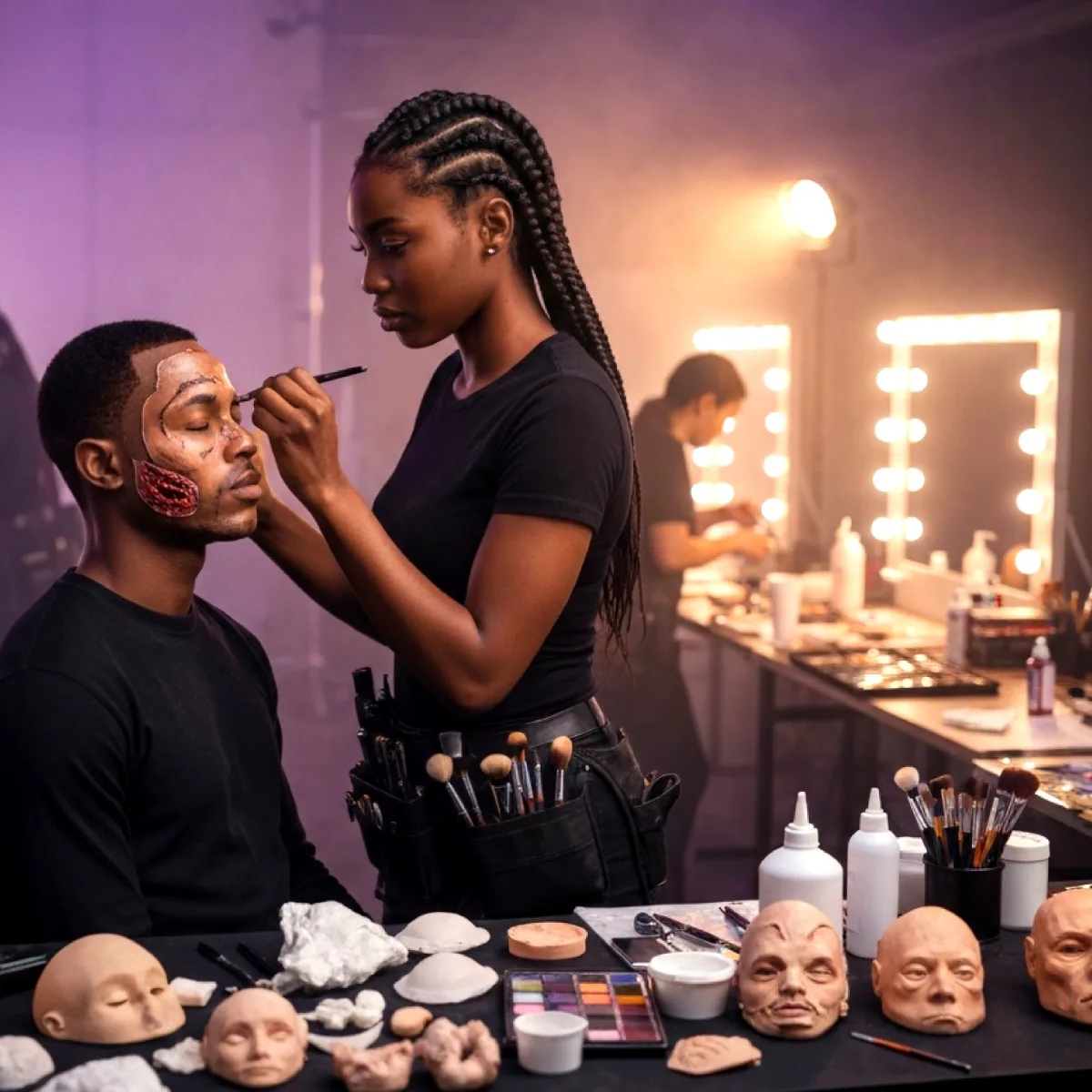
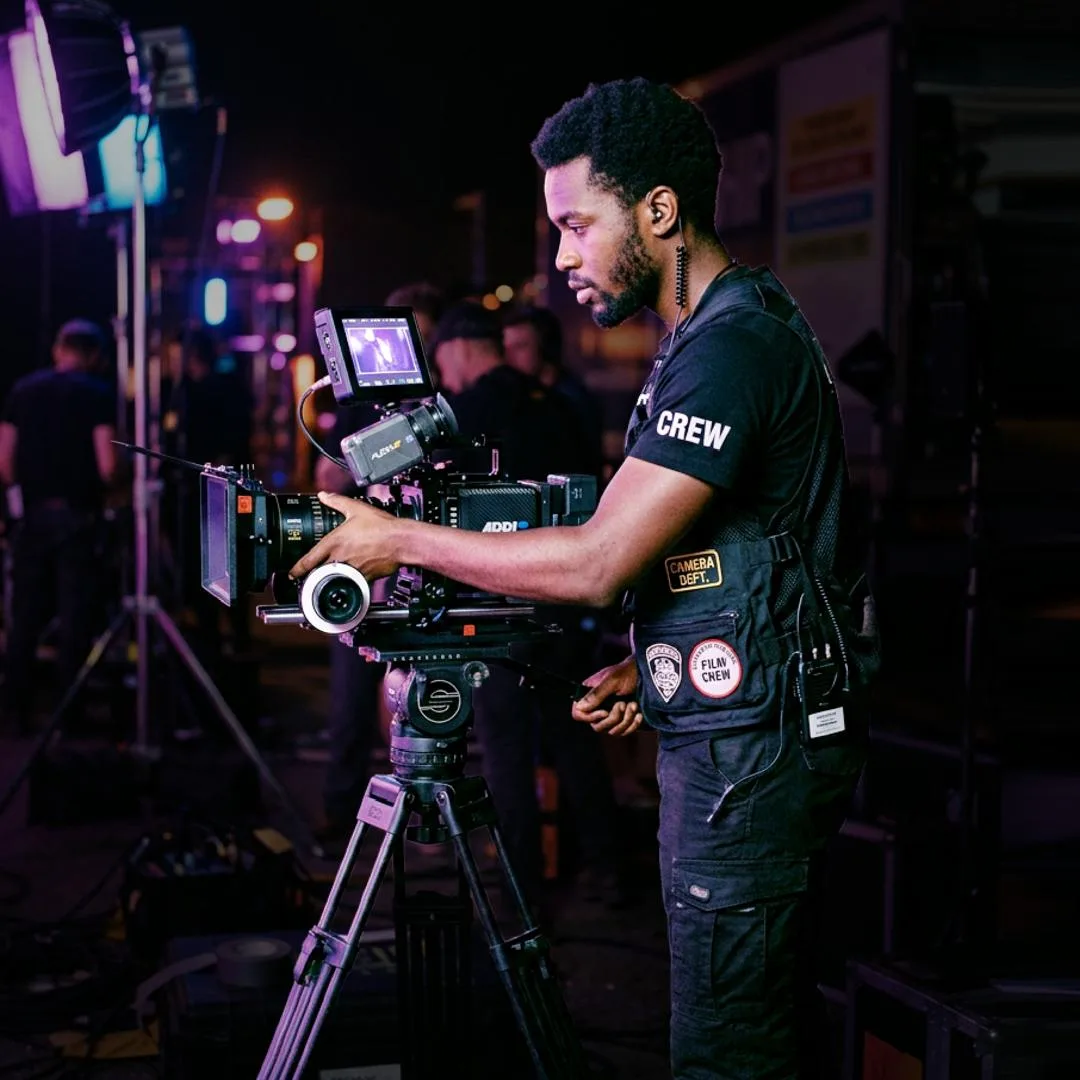
Rather than specialising in one discipline, students experience every major area represented within the RCA production ecosystem — screenwriting, producing, directing, acting, cinematography, art direction, makeup/hair/SFX and editing.
Understand the Process
Explain how a film or television production moves from idea to screen, and use production terminology appropriately.
Know the Roles
Identify the principal roles and responsibilities within a production, and how departments work together.
Handle Equipment
Handle basic production equipment under supervision and read or prepare basic production documents.
Work in a Department
Work as an assistant or trainee within a production department on a live Academy production.
Professional Practice
Demonstrate professional behaviour, communication and set etiquette as a member of a crew.
Make Screen Work
Contribute to a small group screen project and demonstrate at least one production skill individually.
Find Your Direction
Identify the areas of film and television production you may wish to pursue further.
Practice, Not Theory
Understand. Experience. Work. Make.
The course moves through four phases rather than a single block of teaching.
Students receive introductory teaching, undertake simple practical exercises, observe specialist students at work and, where appropriate, assist and participate in their practical activities.
Map a production from idea to screen
Break down a scene and write a short filmable one
Prepare a schedule and a call sheet
Rehearse and direct a short scene
Handle a camera and shoot a sequence
Dress a set and record visual continuity
Assemble a basic edit with sound
Work a real assistant role on an Academy shoot
20 Weeks
The Four Phases
From this point the course becomes project-led rather than content-heavy.
Weeks 1–4
Understand — process, story, producing, directing
Weeks 5–9
Experience — camera, design, performance, editing
Weeks 10–14
Work — secondment to the Academy production
Weeks 15–20
Make — group project, skill piece, portfolio
20% of Assessment
Join a Real Academy Production
Film & TV Production students join the shared Academy production workflow rather than a separate simulated exercise. Students are assigned to a department and carry out genuine assistant or trainee duties — production assistant, camera trainee, art department assistant, makeup/hair/SFX trainee, script and continuity, or post-production.
Students are assessed on participation and professional practice, not against the specialist technical standards of the department they are attached to.
Evidence of Your Craft
Make Your Own Work
In the final phase students form small groups, produce a screen project, and each complete one individual skill piece:
A short visual sequence you shot
A short sequence you edited
A short scene you directed
A simple production package you prepared
A screen environment you dressed
A short filmable scene you wrote
Structure
How the Weeks Are Spent
Core Teaching
The process, the roles and the terminology
Practical Workshops
Simple hands-on exercises in each discipline
Department Attachments
Observing and assisting specialist students
Production Activity
A live assistant role on the Academy production
Project Supervision
Guided work on the group project and skill piece
Screening & Review
Joint screenings and structured reflection
An Introduction, Not a Specialism
This is a broad introductory certificate. Department rotations and secondments give genuine practical participation, but students are not expected to demonstrate the specialist technical depth required on the individual discipline certificates. If you already know your discipline, one of those eight is the better fit.
Assessment
How You Will Be Assessed
Assessment is weighted towards practical work and production — because that is how the craft is actually judged.
Department Rotation Practical Exercises
20%
Collaborative Production Secondment
20%
Group Screen Project
20%
Individual Skill Piece
15%
Production Participation & Professional Practice
10%
Applied Exercises & Course Participation
10%
Simple Portfolio & Final Review
5%
Outcomes
Where This Course Can Take You
By completion, students should be better equipped to:
Understand how film and television production actually works
Experience several production roles first-hand
Contribute to a real production workflow
Make screen work you can show
Identify where your interests and abilities fit in the industry
Entry
Who Should Apply?
This programme is for people who want a practical, general grounding in how screen production actually works. You might be:
Someone drawn to film and television who does not yet know which role suits them
Someone who wants a practical general understanding before committing to a specialism
Someone considering a specialist certificate later and wanting to test the ground first
Someone with no previous production experience at all
RCA welcomes applicants through both academic and creative/professional entry routes.
View Entry RequirementsFees
What It Costs
Instalment payment is available in accordance with RCA's payment structure. A GHS 250 non-refundable Application Fee is payable when submitting an application.
View Fees & Payment OptionsNext Intake
Not Sure Which Role Is Yours?
20 weeks in Accra, taught Monday, Tuesday and Thursday. Intake dates and deadlines →