Professional Certificate University Accredited ARTS/CCIN/101
Cinematography
Tell the story through the image.
Duration
20 Weeks
Teaching Days
Mon, Tue & Thu
Hours
9:00am – 4:00pm
Location
Accra
Tuition
Fees on request
Production Fee
GHS 1,000
RCA's Professional Certificate in Cinematography is a 20-week intensive programme designed to develop students as visual storytellers through practical training, technical discipline and real production experience.
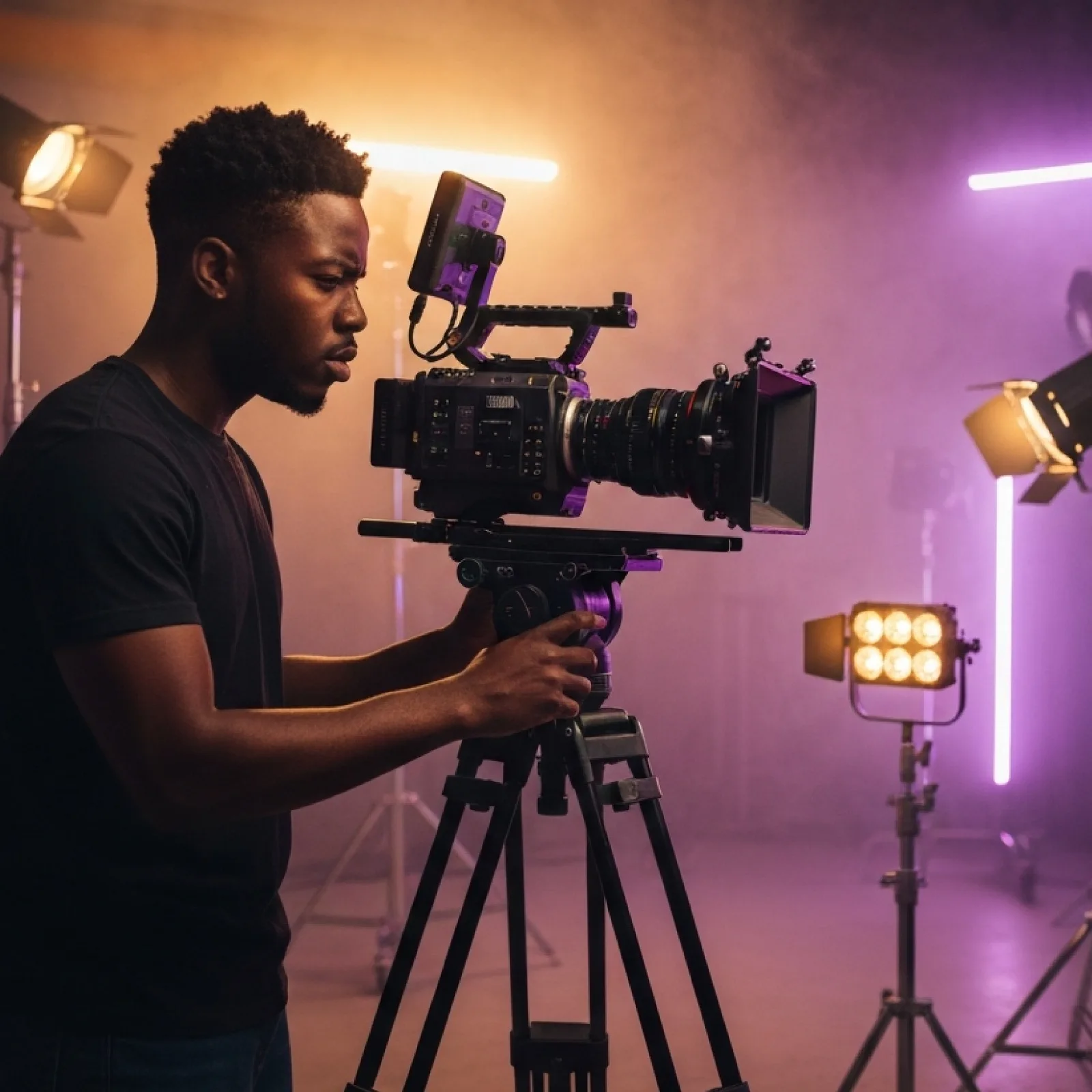
Students learn how decisions involving camera, lighting, exposure, focus, composition and movement shape what audiences see and how they experience a story. The emphasis is not simply on learning how to operate a camera — it is on developing the technical control and creative judgement required to create images that serve the story.


This Professional Certificate programme is delivered by Revele Creative Academy and accredited by the African University of Communications & Business (AUCB). Students who successfully complete the programme receive a Professional Certificate bearing both RCA and AUCB.
Curriculum
What You Will Learn
The programme develops both the creative and technical sides of cinematography.
Visual Storytelling
Understanding how images communicate story, character, mood and meaning.
Camera
Developing practical control of the tools used to capture the image.
Composition & Framing
Making deliberate choices about what the audience sees and how the image is constructed.
Exposure & Focus
Developing the technical discipline required to control and maintain the image.
Lighting
Working with natural and artificial light to shape scenes.
Camera Movement
Understanding and controlling movement as part of visual storytelling.
On-Set Cinematography
Applying technical and creative skills within a real production environment.
Practice, Not Theory
Learn By Shooting
This is a highly practical course.
Students develop cinematography by making images, examining the results, identifying weaknesses and improving their work.
Begin with accessible camera exercises before progressing to DSLR and mirrorless work
Control exposure, focus and composition
Light scenes using natural and artificial light
Work under real production conditions
Solve technical challenges on set
Develop consistency and discipline in image-making
20 Weeks
From Foundations to Production
Film analysis is integrated throughout the programme.
Weeks 1–10
Foundations — visual storytelling, camera and lighting
Weeks 11–12
Production — live shoot and on-set cinematography
Weeks 13–14
Review and technical correction
Weeks 15–20
Portfolio development and advanced practice
25% of Assessment
Work Under Real Production Conditions
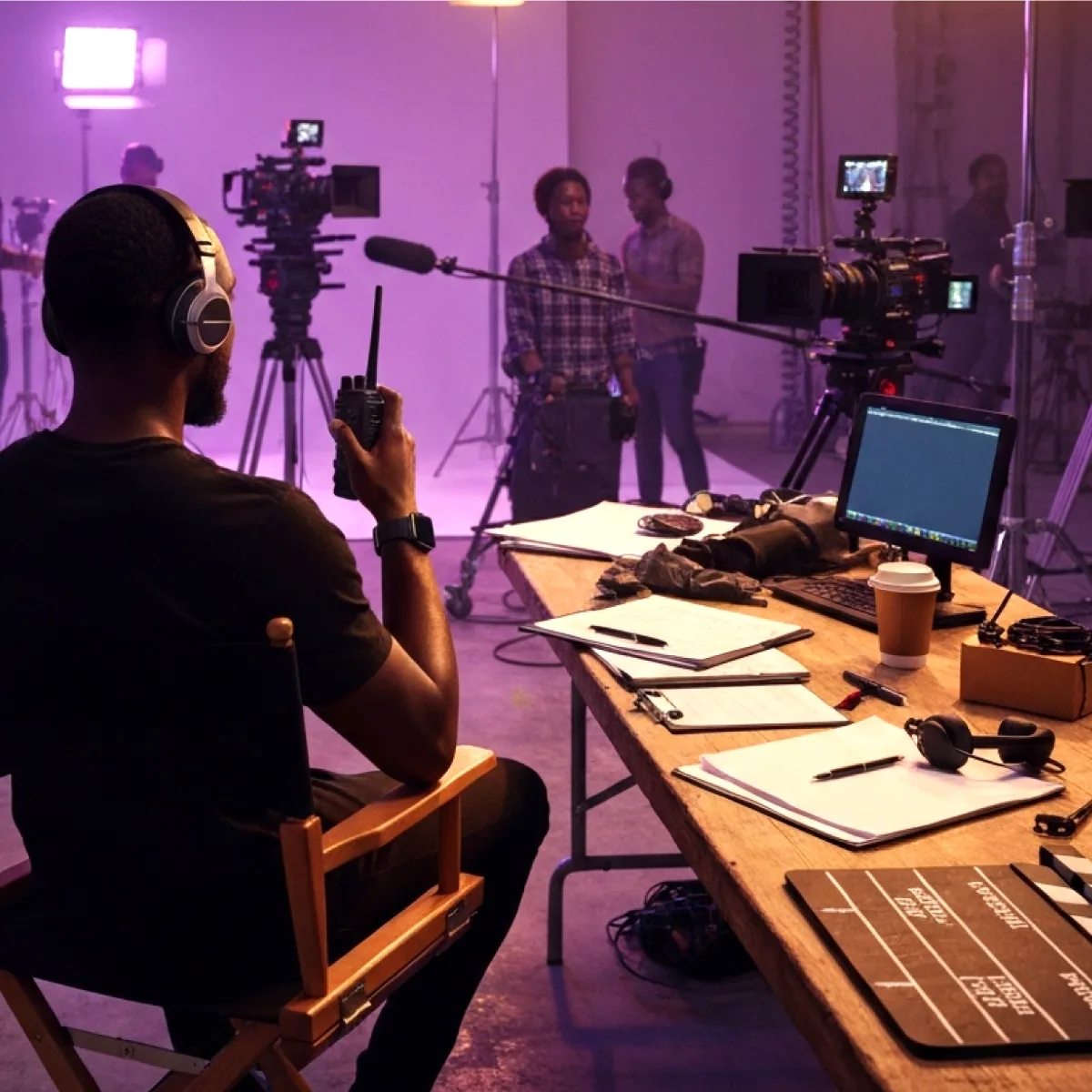
Cinematography students move from controlled exercises into a production environment where technical knowledge has to work alongside creative judgement, preparation and collaboration.
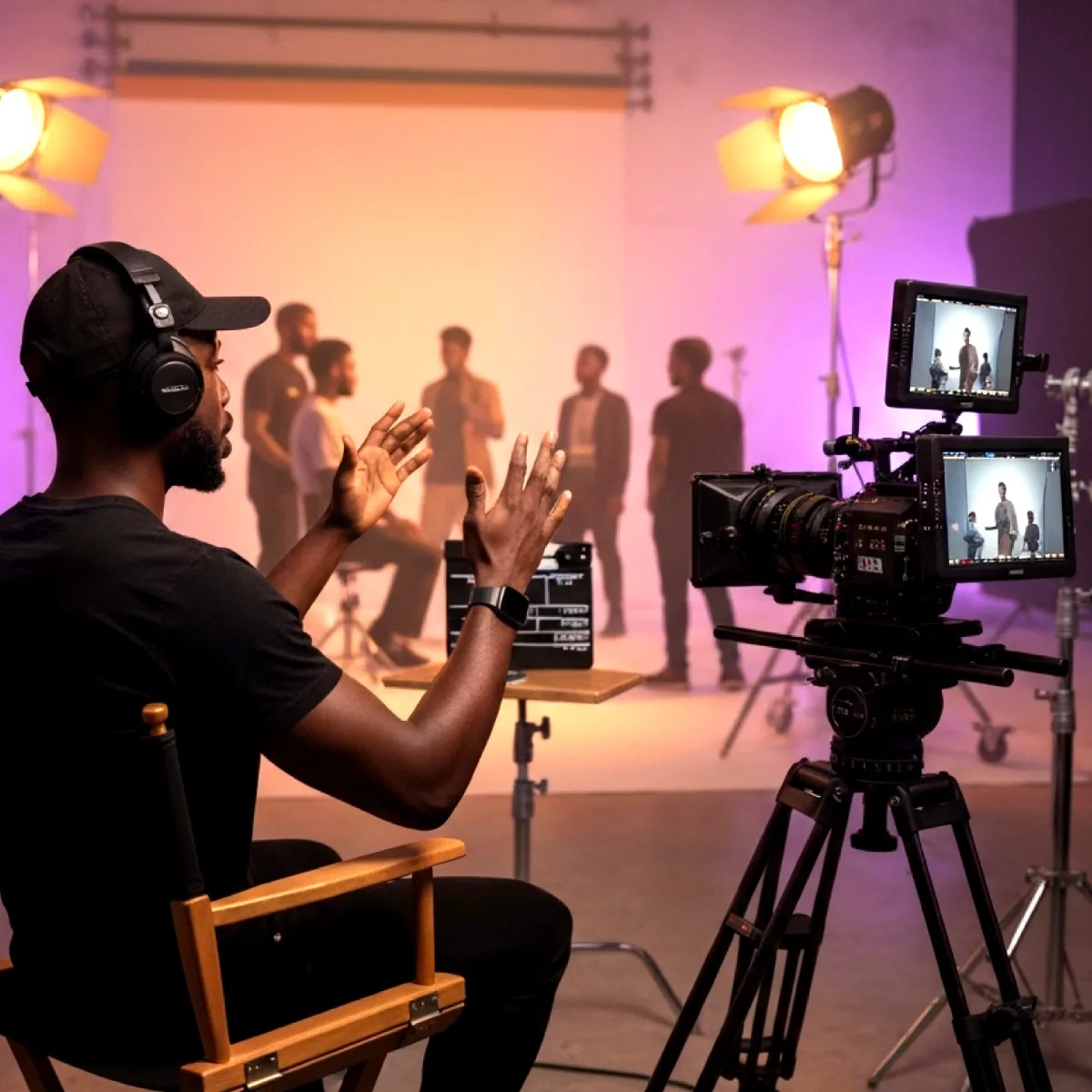
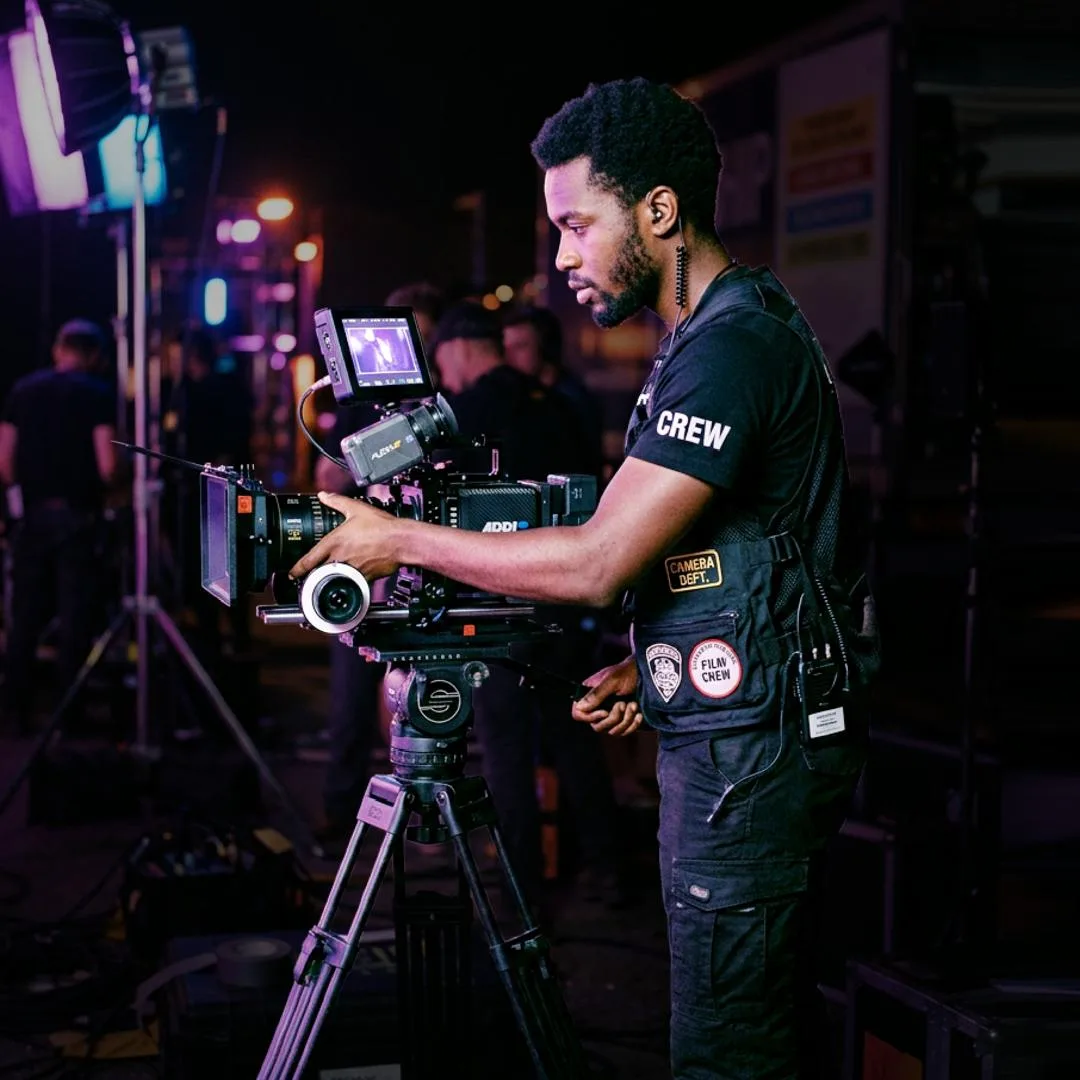
During production, students experience the demands of on-set cinematography and must work effectively with the director and crew while solving the practical and technical challenges that arise during filming.
Evidence of Your Craft
Build a Cinematography Portfolio
By the end of the programme, students produce a professional portfolio including:
Cinematography exercises and test shoots
Scenes shot during production
Lighting setups and visual experiments
Before-and-after improvements
Final presentation materials
What You Will Work With
Tools & Equipment
DSLR & Mirrorless Cameras
The principal cameras used for practical cinematography training
Lighting Equipment
Understanding how light can be controlled and shaped for the screen
Reflectors & Practical Lights
Modifying, supplementing and working creatively with available light
Tripods & Stabilisation
Controlled framing, camera support and movement
Smartphones
Exploring framing, composition and exposure in the introductory stages
AI Tools
Supporting visual research, references and planning where appropriate
Assessment
How You Will Be Assessed
Assessment is weighted towards practical work and production — because that is how the craft is actually judged.
Technical Exercises & Assignments
25%
Practical Cinematography Projects
25%
Production Performance
25%
Final Portfolio & Presentation
15%
Participation & Engagement
10%
Outcomes
Where This Course Can Take You
By completion, students should be better equipped to:
Understand cinematography as visual storytelling
Control light, framing and camera movement
Work effectively in a production environment
Demonstrate technical and creative competence
Pursue entry-level opportunities or further training
Entry
Who Should Apply?
This programme is suited to people interested in visual storytelling and image-making for film and television. You might be:
Someone who already enjoys photography, filmmaking or creating video content
Someone experimenting with cameras and lighting who wants structured training
Someone with a strong visual instinct and no formal training yet
Someone prepared to combine creativity with technical discipline
RCA welcomes applicants through both academic and creative/professional entry routes.
View Entry RequirementsFees
What It Costs
Instalment payment is available in accordance with RCA's payment structure. A GHS 250 non-refundable Application Fee is payable when submitting an application.
View Fees & Payment OptionsNext Intake
Ready to Tell Stories Through the Image?
20 weeks in Accra, taught Monday, Tuesday and Thursday. Intake dates and deadlines →